
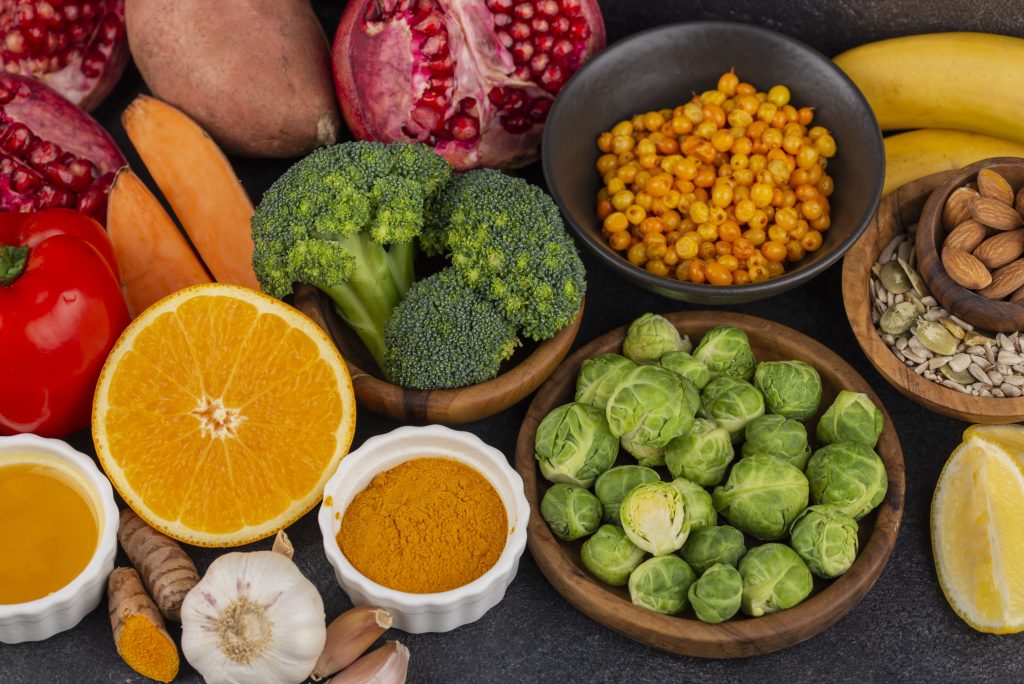
If you’ve ever been told to “eat the rainbow,” you’ve already been encouraged to consume more phytonutrients—even if you didn’t know it. These natural compounds, found in colorful fruits, vegetables, herbs, and other plant-based foods, are nutritional powerhouses that support everything from heart health to immune function.
Let’s explore what phytonutrients are, why they matter, and how you can easily boost your intake starting today.
What Are Phytonutrients?
Phytonutrients (also called phytochemicals) are natural compounds produced by plants to help them thrive. The word “phyto” means plant in Greek, so phytonutrients are literally “plant nutrients.”
Unlike vitamins and minerals, phytonutrients aren’t essential to human survival—but they can help prevent disease and promote optimal health.
There are over 10,000 known phytonutrients!! Only about 150 have been studied in depth as it relates to human health. Some of the most well-studied categories include:
Flavonoids
- Anthocyanins. Found in berries, grapes, and eggplant
- Catechins. Found in green tea and peaches
- Isoflavones. Found in soybeans and pistachios
- Quercetin. Found in apples and asparagus
Carotenoids
- Beta-carotene. Found in in carrots and sweet potatoes
- Lycopene. Found in tomatoes and watermelon
- Lutein. Found in dark leafy greens, corn, and bell peppers
Glucosinolates
- Indoles. Found in cruciferous vegetables like broccoli and kale
Phenolic Acids
- Chlorogenic acid. Found in coffee beans and potatoes
- Gallic acid. Found in berries and nuts
- Ferulic acid. Found in whole grains like rice, oats, barley, and wheat bran
Saponins
- Triterpenoid saponins. Found in beans and quinoa
- Steroidal saponins. Found in asparagus and yucca
Stilbene
- Resveratrol. Found in grapes, berries, and red wine
Where Are Phytonutrients Found?
Phytonutrients are found in plant-based foods. In fact, phytonutrients are what gives plants their specific color! The richer and more vibrant the color, the more phytonutrients it contains. This is partly why dark leafy greens, such as spinach, are a healthier choice than lettuce.
Here are some examples by color:
Red – Tomatoes, red peppers, strawberries, watermelon (rich in lycopene and anthocyanins)
Orange/Yellow – Carrots, sweet potatoes, mangoes, corn (carotenoids like beta-carotene and lutein)
Green – Spinach, kale, broccoli, green tea (glucosinolates and catechins)
Blue/Purple – Blueberries, grapes, eggplant (anthocyanins, resveratrol)
These compounds often act as the plant’s own immune system—and when we eat them, we get some of the same benefits.
Health Benefits of Phytonutrients
Though not essential in the way that vitamins like B12 or vitamin C are, phytonutrients can have a big impact on long-term health. Some of their key benefits include:
Antioxidant protection – Neutralize free radicals that cause cell damage
Anti-inflammatory effects – Reduce chronic inflammation, a root cause of chronic disease
Immune support – Enhance immune function and resistance to illness
Heart health – Improve cholesterol, blood pressure, and blood vessel function
Cancer prevention – Help block cancer cell growth and reduce the risk of getting cancer
Eye and skin health – Particularly carotenoids like lutein and beta-carotene
Tips to Get More Phytonutrients in Your Diet
Eating more phytonutrients doesn’t mean overhauling your diet overnight. Here are some practical, simple tips to increase your intake every day:
1. Eat the Rainbow
Aim to include at least three different colors of plant foods in every meal. Variety increases your exposure to different phytonutrient types. If this is a difficult first step then start by rotating through three colors every week.
2. Keep Them Visible
Keep fruits and vegetables where you can see them so you’ll remember to eat them.
For example, keep a container of fresh cut vegetables on the top shelf of the fridge, or place a fruit bowl on the kitchen counter or your desk at work.
3. Snack Smart
Trade chips or cookies for phytonutrient-rich snacks like:
- Apple slices with almond butter
- Carrot sticks with hummus
- Handful of berries or grapes
4. Spice It Up
Herbs and spices like turmeric, ginger, garlic, and cinnamon are phytonutrient dense. Add them to soups, stir-fries, or smoothies.
5. Drink Your Plants
Green smoothies, herbal teas, and vegetable-based juices (without added sugar) can be great ways to pack in more plant compounds.
6. One-Pot Meals
Cook dishes that naturally include a variety of vegetables as part of the recipe such as soups, curries, buddha bowls, or stir-fry’s.
7. Roast Your Vegetables
Roasted vegetables contain a ton more flavor than steamed or boiled vegetables. Plus, they hold sauces and spices better! Add different sauces and spices to keep it varied. An avocado crema sauce, chipotle lime sauce, or some Indian spices. Plus, you can use a different veggie combination each time. Recipe ideas here!
8. Transform Your Cauliflower
Replace white potatoes with cauliflower mashed “potatoes” and opt for cauliflower rice more often than regular rice.
Phytonutrients are powerful, plant-based compounds that support health in ways we’re only beginning to fully understand. The good news? You don’t need to memorize every type or all the benefits—just aim to eat a wide variety of colorful, whole plant foods every day!
Your plate is your pharmacy. Let plants work their natural magic—one bite at a time.