

Living with IBS can be exhausting. One day, your digestion seems fine, and the next, you’re dealing with bloating, abdominal discomfort, urgent bathroom trips, and constipation that won’t budge. If you’ve tried the usual options and still don’t have consistent relief, it may be time for a different kind of care.
At Healthy Connections in Hood River, Dr. Horacek and his team take a root-cause, functional medicine approach to IBS. Instead of treating IBS like a vague lifelong label you “just manage,” we work to identify what’s driving your symptoms in the first place—then build a plan to calm irritation, restore healthy function, and help you feel normal again.
Conventional care for IBS often focuses on suppressing symptoms: reducing cramping, slowing diarrhea, stimulating bowel movements, or dulling discomfort. That can be helpful in the short term, especially during a flare. But many patients quickly realize that symptom control doesn’t always equal healing.
Dr. Horacek says, “IBS isn’t something you should have to just ‘live with.’ When we take time to investigate triggers and correct the underlying imbalances, most people can experience real, lasting improvement.”
Functional medicine approaches IBS differently. We start with a simple premise: IBS symptoms are real, and they usually have measurable causes. Instead of relying on one-size-fits-all solutions, our team looks at the “why” behind your digestive problems, inflammation, food reactions, stress response, gut-brain signaling, and immune activation. IBS may be influenced by multiple factors at once, which is why two people can share the same diagnosis but have totally different triggers and solutions.
At Healthy Connections, functional medicine IBS care often includes the following:
The goal isn’t perfection. The goal is control, comfort, and confidence in your body again.

IBS is a syndrome, not a single disease—meaning it can have several possible drivers. Here are five of the most common root causes we evaluate in functional care.
Your intestines are home to trillions of microbes that help regulate digestion, immunity, and inflammation. When the balance shifts (dysbiosis), it can increase gas production, change stool consistency, impair motility, and amplify sensitivity in the gut. Some people notice symptoms after antibiotics, illness, travel, or long periods of stress—each of which can affect the microbiome.
IBS is often linked with certain carbohydrates that ferment in the gut (commonly discussed as FODMAPs), but triggers vary widely. Some people react to gluten, dairy, sugar alcohols, food additives, or specific fibers. Functional medicine focuses on identifying your patterns rather than handing you a generic list.
The gut and brain communicate constantly through the nervous system, hormones, and immune signals. High stress, anxiety, trauma history, poor sleep, and burnout can alter gut motility and increase visceral hypersensitivity (a heightened pain response in the intestines). This is not “in your head”—it’s physiology.
Many people develop IBS symptoms after a stomach bug, food poisoning, or traveler’s diarrhea. Even when the acute infection resolves, the gut lining and immune system may remain irritated, creating ongoing sensitivity, urgency, or altered bowel habits.
Some IBS patterns are driven by how fast or slow the gut moves. Too fast may contribute to diarrhea and urgency; too slow can worsen constipation and bloating. In some cases, bile flow and digestive secretions may also influence stool consistency and digestive comfort.

Functional medicine IBS care is not about doing “everything all at once.” It’s about a structured plan that creates steady wins, reduces flare frequency, and improves your quality of life.
We start by identifying your dominant pattern (IBS-D, IBS-C, mixed, post-infectious, stress-driven, food-driven). You’ll learn what your symptoms are telling us and which factors are most likely involved.
Before the gut can rebuild, it often needs a “quieting phase.” This may include meal timing, hydration strategies, gentle nutrition changes, targeted gut-soothing supports, and a flare plan so you feel prepared rather than helpless.
Not everyone needs extensive testing, but when symptoms persist or the picture is unclear, testing can help reduce trial-and-error. The goal is to make smarter decisions, not to chase endless lab results.
Food can be a trigger, but it can also be a tool. We work toward a sustainable plan you can live with—one that reduces symptoms while protecting energy, mood, and nutritional status. The end goal is not overly restrictive dieting. The end goal is confidence and flexibility.
Because IBS is often influenced by stress physiology and nervous system tone, we help you build daily practices that improve regulation: sleep routines, stress reduction strategies, breathwork, movement, and realistic lifestyle structure. This is where many people notice fewer flares over time.
IBS rarely improves from a single appointment and a generic handout. Chronic digestive issues often require a little iteration—adjustments based on your body’s response, your stress level, your schedule, and real life.
That’s why many patients with long-term IBS symptoms choose our health membership for ongoing support. With consistent access to our care team, you can…
This kind of continuity matters when you’re working on a chronic condition. Click here to learn more about our health membership.
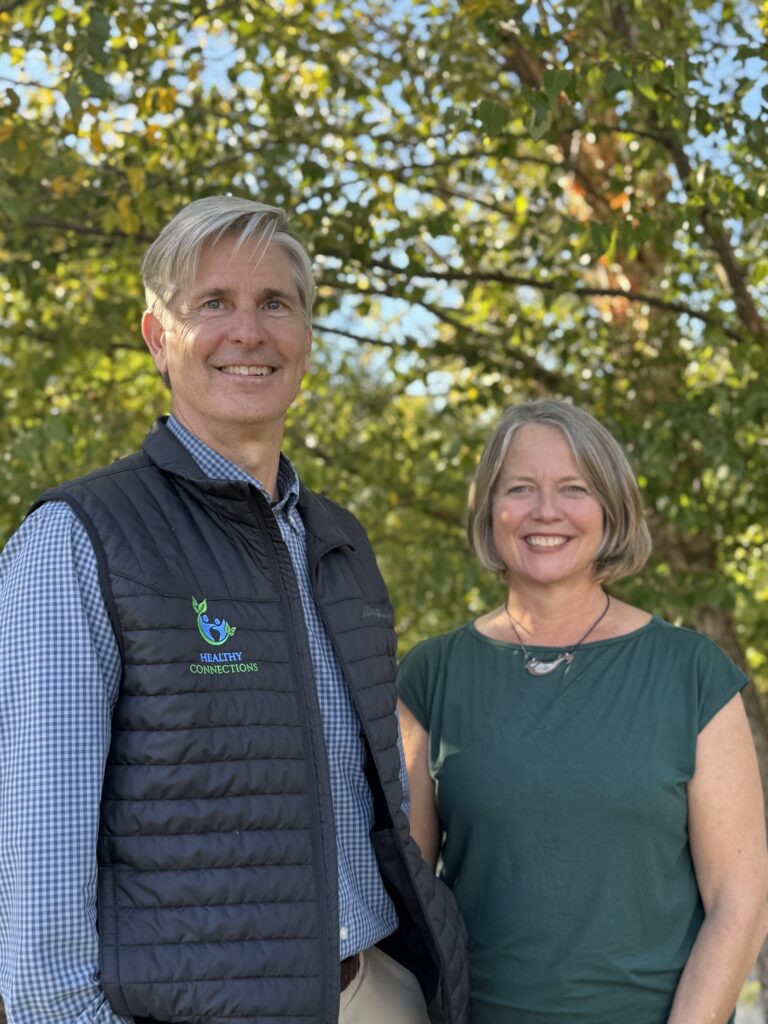
You deserve more than guesswork and quick fixes. If you’re searching for a top IBS doctor in Hood River and want a functional medicine approach that targets root causes, the team at Healthy Connections is here to help.
Schedule a visit to talk through your symptoms, your history, and what hasn’t worked so far. We’ll build a plan you can understand, follow, and feel hopeful about—so you can spend less time worrying about your gut and more time enjoying your life in Hood River.