
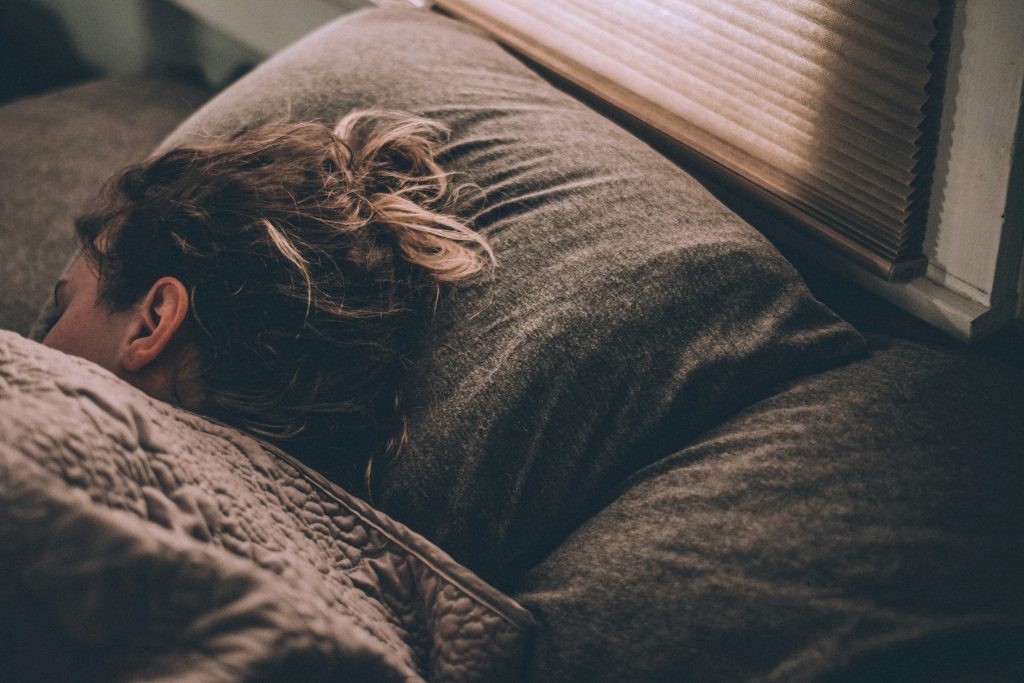
When people say, “I’ll just close my eyes for a bit,” they may be describing rest, a nap, or true sleep, but those are not the same thing. Understanding the difference between sleep and resting matters because each one supports the body in a different way. For people dealing with insomnia, chronic fatigue, or a busy lifestyle, knowing when you need rest and when you need sleep can help you make more informed choices about recovery and wellness.
Sleep vs resting: Why rest is not the same as sleep
Rest is a pause, not always a sleep state. It gives the nervous system a chance to downshift, the body a chance to relax, and the mind a break from constant stimulation. You may not fall asleep, but rest still reduces feelings of mental exhaustion and physical overload.
Rest is especially helpful when stress has built up over time. Quiet stillness, gentle breathing, lying down with your eyes closed, meditation, or simply stepping away from screens all create space for the body to recover. While rest does not replace sleep, it supports healing by lowering strain and helping tissues and muscles recover from the demands of the day.
What rest does for the body
Rest helps the body conserve energy and shift out of constant “go mode.” When the nervous system is overstimulated, even a short rest break provides relief. This makes it easier to think clearly, regulate emotions, and tolerate physical or mental effort later on.
For many people, rest is also an important bridge between high stress and true recovery. It may not provide the full restoration of sleep, but it reduces the sense of being completely drained. That is why rest is valuable in a wellness routine, especially during seasons of burnout, recovery, or overwhelm.
Sleep vs resting: Where does napping enter the mix?
Napping sits somewhere between rest and full sleep. A nap is refreshing, especially if you are sleep deprived, physically exhausted, or struggling to stay alert. Research suggests short naps may improve mood, reaction time, and short-term focus, making them a useful tool when used wisely.
Still, napping is not the same as getting the sleep your body needs at night. A nap may take the edge off fatigue, but it does not fully restore the same deep, cyclical sleep processes that happen during a full nighttime sleep window. In some cases, long or late-day naps can even make it harder to fall asleep at bedtime, especially for people already dealing with insomnia.
When a nap helps and when it may not
A short nap can be helpful when you have had a poor night of sleep or when your day includes a natural lull in energy. Most people do best with a nap that is brief and earlier in the day. If napping becomes a daily necessity, that can be a sign that nighttime sleep is not meeting your body’s needs.
It is also important to note that napping does not fix the root cause of fatigue. Ongoing exhaustion may be related to sleep disruption, stress, blood sugar imbalance, thyroid concerns, iron issues, hormone shifts, or other health factors. A nap may help you get through the day, but it should not be the only strategy if poor sleep is becoming a pattern.
Understanding sleep and its different stages
Sleep is an active biological process, not just a time when the body shuts off. During sleep, the brain cycles through different stages that support memory, tissue repair, hormone regulation, immune function, and emotional balance. Good sleep is not only about how long you are asleep, but also about how well those cycles are completed.
There are two major categories of sleep: non-REM and REM sleep. Non-REM sleep includes lighter stages and deeper stages, and these deeper stages are especially important for physical restoration. REM sleep is associated with dreaming, emotional processing, and brain function, making it essential for mental health and cognitive performance.
Sleep quality matters as much as sleep quantity
Someone can spend enough hours in bed and still wake up unrefreshed if sleep quality is poor. Frequent waking, difficulty falling asleep, early morning waking, snoring, restless legs, or stress-related sleep fragmentation all reduce the benefits of sleep. In other words, a long night is not always a restorative night.
Quality sleep tends to feel deeper, more continuous, and more refreshing upon waking. It supports daytime energy, stable mood, and the ability to concentrate. When sleep quality is poor, the effects often show up in irritability, brain fog, cravings, reduced motivation, and a lower tolerance for stress.
What happens when you do not get enough sleep?
There is no single perfect sleep number for every person, but most adults need a consistent amount of sleep to function well. Without enough sleep, the body and brain cannot complete their normal repair and regulation processes. Over time, chronic sleep loss raises the risk of significant health issues.
In the short term, poor sleep leads to slower reaction time, poor concentration, mood changes, and reduced physical performance. Over the long term, insufficient sleep has been linked with metabolic imbalance, immune dysfunction, cardiovascular stress, weight changes, and difficulty managing inflammation. Sleep is not a luxury, it is a core pillar of health.
Signs your body may be under-slept
- You need caffeine just to get through the morning.
- You feel irritable, foggy, or emotionally reactive.
- You struggle to focus or remember details.
- You rely on naps to make it through most days.
- You wake unrefreshed even after what seems like enough time in bed.
If these patterns sound familiar, it may be time to look more closely at sleep habits and underlying wellness factors. Sometimes the issue is poor sleep hygiene, but sometimes there is a deeper reason the body cannot settle into restorative sleep. A functional medicine approach can help identify those patterns more clearly.
Finding the right kind of support for sleep and resting
At Healthy Connections, we understand that poor sleep affects more than just energy. It influences mood, hormones, digestion, stress resilience, and the ability to feel like yourself again. If you need help with insomnia or health coaching in Hood River, our team is here to support you with a personalized, thoughtful approach for sleep and rest. Connect with us today.