
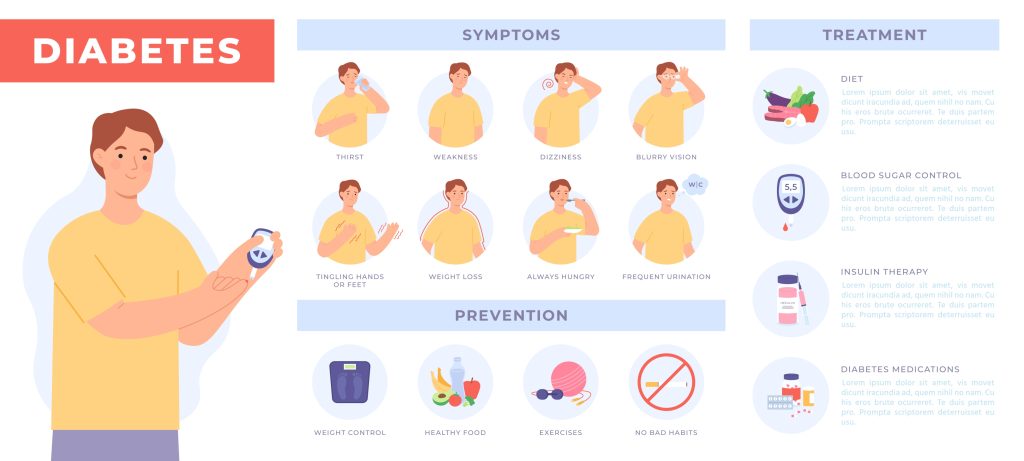
Signs of insulin resistance in men are often subtle at first, making them easy to overlook. However, recognizing these warning signs early can help prevent serious health complications, including prediabetes, type 2 diabetes, heart disease, and metabolic syndrome.
Insulin resistance occurs when the body’s cells stop responding efficiently to insulin, forcing the pancreas to produce more of this hormone to keep blood sugar levels under control. Over time, this process can lead to elevated blood sugar levels and significant health concerns.
Men may experience unique symptoms and risk factors associated with insulin resistance. Understanding these signs and seeking appropriate medical care can make a substantial difference in long-term health outcomes.
This article with Healthy Connections explores the various signs of insulin resistance that men should not ignore, including physical symptoms, lifestyle factors, and the importance of addressing this condition early on. By understanding these signs and making informed lifestyle choices, men can take proactive steps to improve their health and prevent long-term complications.
What Is Insulin Resistance?
Insulin is a hormone produced by the pancreas that helps glucose move from the bloodstream into the body’s cells, where it is used for energy. When insulin resistance develops, cells become less responsive to insulin’s effects. As a result, the pancreas compensates by producing more insulin.
Initially, blood sugar levels may remain normal because the body is producing excess insulin. However, this compensation cannot continue indefinitely. Eventually, blood sugar levels begin to rise, increasing the risk of prediabetes and type 2 diabetes. This leads to several common signs of insulin resistance in men.
Common Signs of Insulin Resistance in Men
- Increased Abdominal Fat: One of the most noticeable signs of insulin resistance in men is weight gain around the abdomen. Excess belly fat is strongly associated with reduced insulin sensitivity. Men who develop a larger waist circumference may be experiencing underlying metabolic changes even if their overall weight has not increased significantly.
- Constant Fatigue: Persistent tiredness is another common symptom. Despite getting adequate sleep, men with insulin resistance often feel exhausted throughout the day. This occurs because cells are unable to efficiently use glucose for energy, leading to reduced energy production and feelings of fatigue.
- Increased Hunger and Sugar Cravings: Men experiencing insulin resistance may find themselves constantly hungry, particularly craving sugary foods and refined carbohydrates. Because glucose is not entering cells efficiently, the body continues signaling hunger in an attempt to obtain more energy.
- Difficulty Losing Weight: Even with regular exercise and dietary changes, weight loss can become challenging. Elevated insulin levels encourage fat storage and make it harder for the body to burn stored fat for energy.
- High Blood Pressure: Insulin resistance often contributes to elevated blood pressure. Men with hypertension may also have underlying metabolic issues that increase their risk of diabetes and cardiovascular disease.
- Dark Patches of Skin: A condition known as acanthosis nigricans can develop in individuals with insulin resistance. This condition causes dark, velvety patches of skin, commonly appearing on the neck, underarms, elbows, or groin area.
- Brain Fog and Difficulty Concentrating: Some men experience cognitive symptoms such as difficulty concentrating, memory issues, and mental fatigue. Fluctuating blood sugar levels and impaired glucose utilization can affect brain function and mental clarity.
- Elevated Blood Sugar Levels: Routine blood work may reveal fasting glucose levels that are higher than normal. Even before diabetes develops, mildly elevated blood sugar levels can indicate insulin resistance.
- Elevated Triglycerides and Low HDL Cholesterol: Insulin resistance frequently affects cholesterol levels. Men may develop higher triglyceride levels and lower HDL levels, often called “good cholesterol.” These changes increase the risk of heart disease.
- Reduced Testosterone Levels: Research suggests a connection between insulin resistance and lower testosterone levels in men. Symptoms may include decreased libido, reduced muscle mass, fatigue, and mood changes.
Risk Factors for Insulin Resistance in Men
Several factors increase the likelihood of men developing the signs of insulin resistance:
- Excess body weight, especially abdominal obesity
- Sedentary lifestyle
- Family history of diabetes
- Poor dietary habits
- Chronic stress
- Sleep disorders, including sleep apnea
- Smoking
- High blood pressure
- Abnormal cholesterol levels
Understanding these risk factors allows men to take proactive steps before more serious health issues develop.
How Insulin Resistance Is Diagnosed
Healthcare providers may use several tests to evaluate insulin resistance and diabetes risk, including:
- Fasting blood glucose test
- Hemoglobin A1C test
- Fasting insulin levels
- Lipid panel
- Oral glucose tolerance test
Regular screenings are particularly important for men with multiple risk factors or a family history of diabetes.
Managing and Reversing Insulin Resistance
The good news is that the signs of insulin resistance in men can often be improved or even reversed through lifestyle modifications.
- Adopt a Healthy Diet: Focus on whole foods such as vegetables, fruits, lean proteins, healthy fats, and high-fiber carbohydrates. Reducing processed foods and sugary beverages can significantly improve insulin sensitivity.
- Exercise Regularly: Physical activity helps muscles use glucose more efficiently. Aim for at least 150 minutes of moderate exercise each week, along with strength training exercises.
- Maintain a Healthy Weight: Even modest weight loss can improve insulin sensitivity and reduce diabetes risk. Losing just 5% to 10% of body weight often leads to measurable health improvements.
- Prioritize Sleep: Poor sleep can worsen insulin resistance. Most adults should aim for seven to nine hours of quality sleep each night.
- Manage Stress: Chronic stress increases hormones that may contribute to insulin resistance. Mindfulness, exercise, relaxation techniques, and healthy social connections can help reduce stress levels.
Seek Professional Medical Guidance
Working with healthcare professionals ensures proper evaluation, monitoring, and personalized treatment recommendations. Early intervention can help prevent the progression to type 2 diabetes.
Conclusion: Early Detection of Insulin Resistance in Men
Recognizing the signs of insulin resistance in men is an important step toward protecting long-term health. Symptoms such as abdominal weight gain, fatigue, increased hunger, difficulty losing weight, high blood pressure, and abnormal cholesterol levels may indicate that the body is struggling to regulate blood sugar effectively.
The earlier insulin resistance is identified, the more opportunities there are to reverse the condition through healthy lifestyle changes and professional medical support. If you are a man experiencing signs of insulin resistance or you have concerns about your risk for diabetes, the team at Healthy Connections is here to help. Contact us today to schedule an appointment and take the first step toward better metabolic health and diabetes prevention.