
In Part 1 we covered the basics of histamines: what histamine is, how it can become a problem, some common histamine reactions, and where histamine is found in foods. Make sure to read Part 1 for some solid background information! In Part 2 we’ll dive into the best practices in managing histamine intolerance to keep symptoms under control.
Managing Stress and Glucose Levels
We learned in Part 1 that stress and glucose both impact histamine levels. The good news is that both can be well managed!
Some practical strategies that help reduce stress include, diaphragmatic (belly) breathing, gentle movement like walking, yoga, or swimming, quality sleep, and mindfulness or meditation practices. All of these strategies help calm the nervous system and reduce mast cell activation. None of these need to be elaborate. The point is consistency, not perfection!
When it comes to keeping glucose levels in check, there are a number of things you can do such as, eating meals at consistent times (and not skipping meals), building meals around protein and fiber, and pairing high-carb foods with a protein or a fat. Going for a short walk after eating, even if just for 10 minutes, has also been shown to blunt any glucose spike from your meal. Small, consistent habits here can make a noticeable difference in overall histamine symptoms.
The Leftover Problem
Okay, this one can be a gut punch for anyone who loves meal prepping. But there is a solution!
Leftovers are one of the sneakiest sources of high histamine. Here’s why: even after you cook food and kill the bacteria initially present, bacterial recontamination starts the moment food hits room temperature. Every hour that cooked food sits — on your counter, slowly cooling down, or even in the fridge — bacterial activity is working away and histamine is accumulating.
Best Practices in Handling Leftovers:
- Cook and eat food as soon as possible after preparation
- Eat refrigerated leftovers within 24 hours rather than the standard 3–5 day window
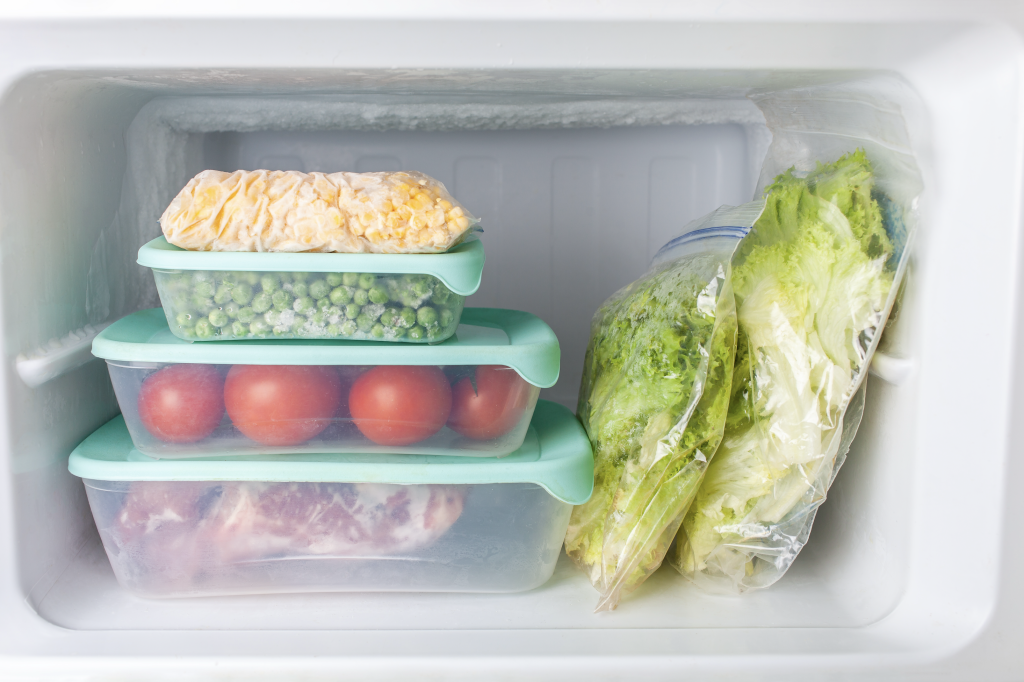
- Freeze leftovers immediately if you don’t plan to eat them within 24 hours. Freezing slows bacterial activity dramatically, which slows histamine formation.
- Freeze fresh meat immediately after purchase if you won’t use it that day. Then thaw and cook it right before eating.
If batch cooking is part of your life, try batch cooking and immediately freezing, then thawing and eating one portion at a time.
Thawing Food: How You Do It Matters
In addition to freezing – your thawing technique matters more than most people realize.
Avoid thawing on the counter. As food thaws at room temperature, the outer layers warm up while the inside is still frozen, creating a bacteria-friendly temperature zone for hours. Histamine production kicks right back into gear.
Best Thawing Methods:
- In the refrigerator overnight — slow, cold, and controlled
- In cold water — changing the water every 30 minutes keeps the temperature down
- In the microwave on the defrost setting, if you’re cooking it immediately
The golden rule: thaw cold, cook fast, eat promptly.
Cooking Methods That Help (and Some That Don’t)
Your cooking method can actually make a difference in how much histamine you end up consuming.
High heat cooking methods that increase histamine include frying and grilling. Low-and-slow cooking methods also increase histamine by acting as a bacterial incubator. Avoid smoked food or using a slow-cooker for this reason.
Best Ways to Cook:
The best ways to cook food that don’t increase histamine levels are steaming, boiling, and baking/roasting. Another way to ensure a low histamine meal is to cook meals from scratch using fresh ingredients that are not pre-packaged or aged.
For fish specifically: fish goes from fresh to high-histamine faster than almost any other food. Buy fresh, cook immediately, and don’t leave it sitting out. If you’re buying fish from a grocery store and it’s not going straight into the pan, freeze it the moment you get home.
Practical Ways to Lower Your Histamine Load
Again, the goal isn’t perfection — it’s reducing your overall bucket level so that your body can cope. In addition to the above guidelines for freezing leftovers, thawing, and cooking methods, aim to avoid high histamine foods: fermented foods, aged cheeses, vinegars, processed meats, canned fish, and most alcohol. See Part 1 for further details on this.
Overall, you want to prioritize the freshest versions of food as possible. Buy the freshest meat and fish you can find, ideally from a butcher who has high turnover. Cook food fresh as often as possible — yes, even if it’s more work. Go for fresh cheeses such as mozzarella, ricotta, cream cheese, and fresh goat cheese.
On the supplement front, talk to your provider about DAO enzyme capsules (taken before meals), and nutrients that support your natural enzyme function: vitamin B6, vitamin C, copper, and zinc. Consuming foods high in these nutrients will help as well. Quercetin is also worth asking about since it acts as a natural histamine stabilizer. Some foods are high in quercetin, including onions, apples, berries, capers, broccoli, and dill.
Perhaps most importantly for long-term management is to work on your gut. Since DAO is produced in the gut lining, healing underlying issues like dysbiosis or leaky gut often leads to meaningful improvement in histamine tolerance over time.
One Last Thing: The Bucket Concept
If there’s one idea worth walking away with, it’s this: histamine intolerance is about your total load, not a single food in isolation.
Think of your histamine tolerance as a bucket. Each exposure adds something to your bucket — whether it’s the wine, the leftover pasta, or the stress you’ve been under. On a good day with a low-stress week and fresh food, that bucket has lots of room and your symptom threshold isn’t being challenged. But on a tough day when everything stacks up and your eating habits go out the window, your bucket overflows and symptoms appear.
This is why histamine intolerance can seem so unpredictable. You ate that same meal last month and were totally fine! Yes, but last month your bucket wasn’t already half full.
Understanding your personal triggers, keeping your bucket lower overall, and supporting your body’s ability to clear histamine is the name of the game. It’s not about eating a perfect, joyless diet forever – it’s about working with your body instead of accidentally declaring war on it every other day.
If you suspect histamine intolerance is part of your picture, bring it up with your provider. A low-histamine elimination diet for 2–4 weeks, with careful reintroduction, can tell you a lot. And the good news is: for many people, healing the underlying gut issues and supporting enzyme function means histamine tolerance improves significantly over time.